
The Art of Memory
Thirty lessons on the oldest memory technique in the world. Each one opens with a true story, teaches a method you can learn in an evening, and ends with practice that proves it works. Written in clear English for learners and for anyone who wants a better memory.
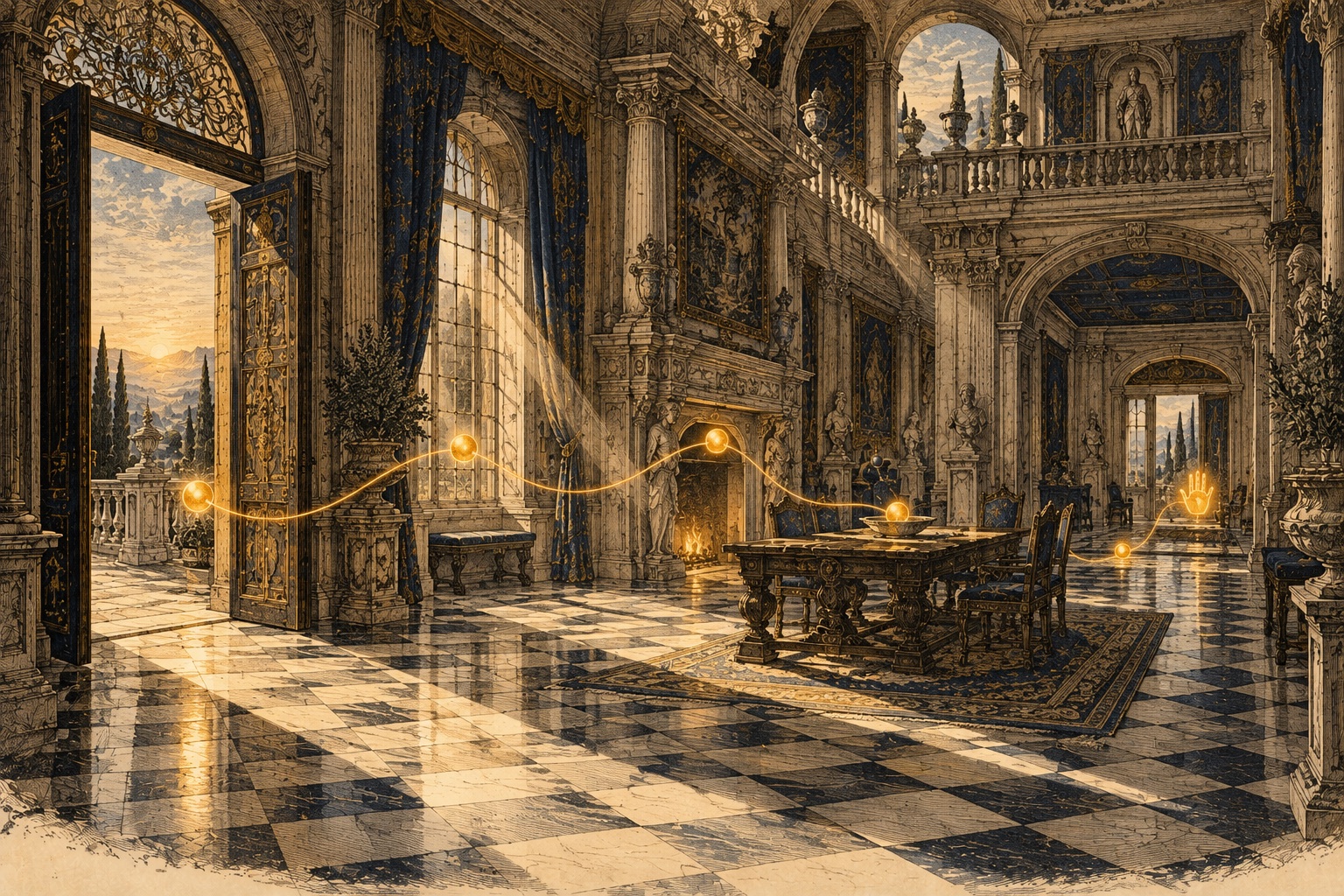
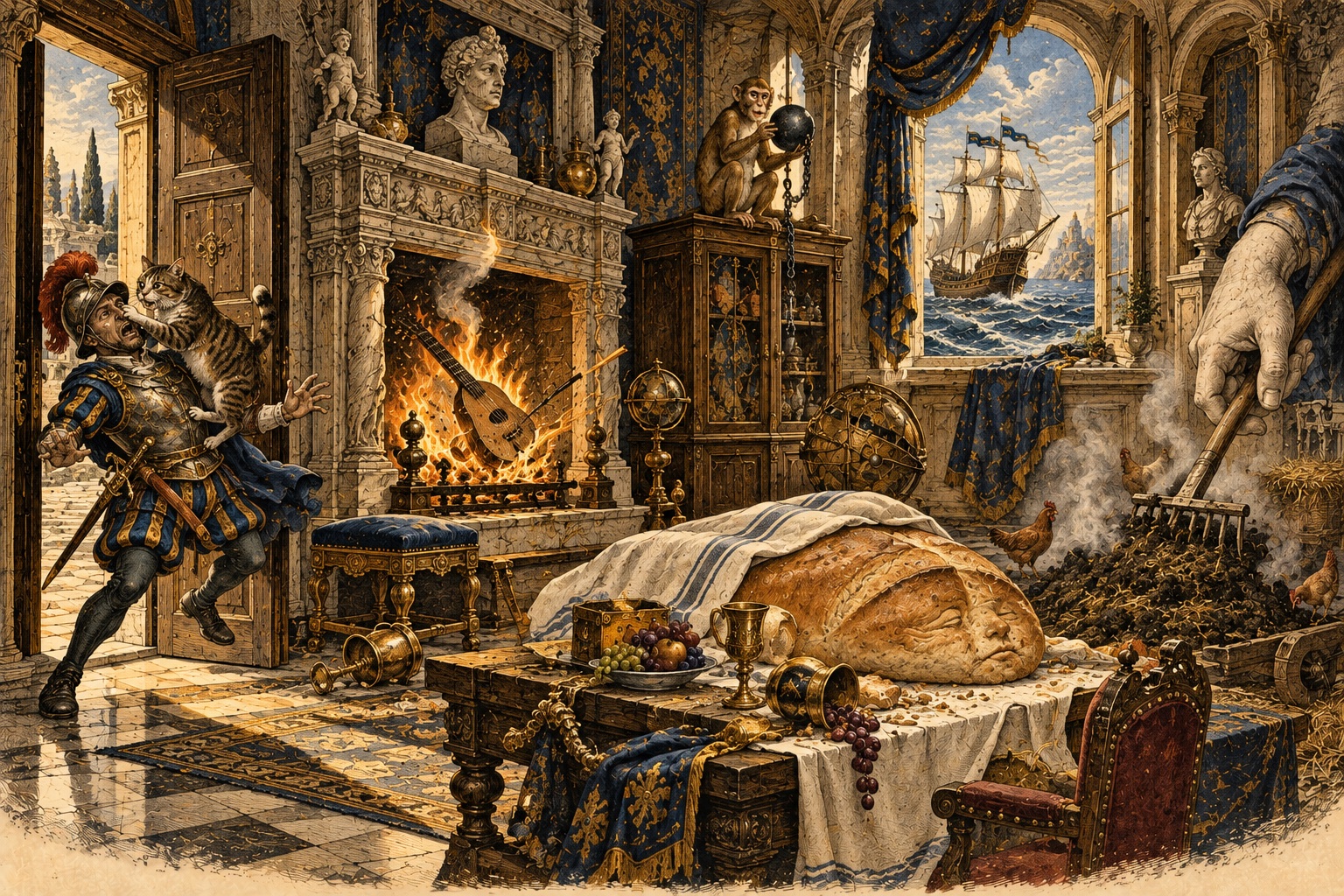
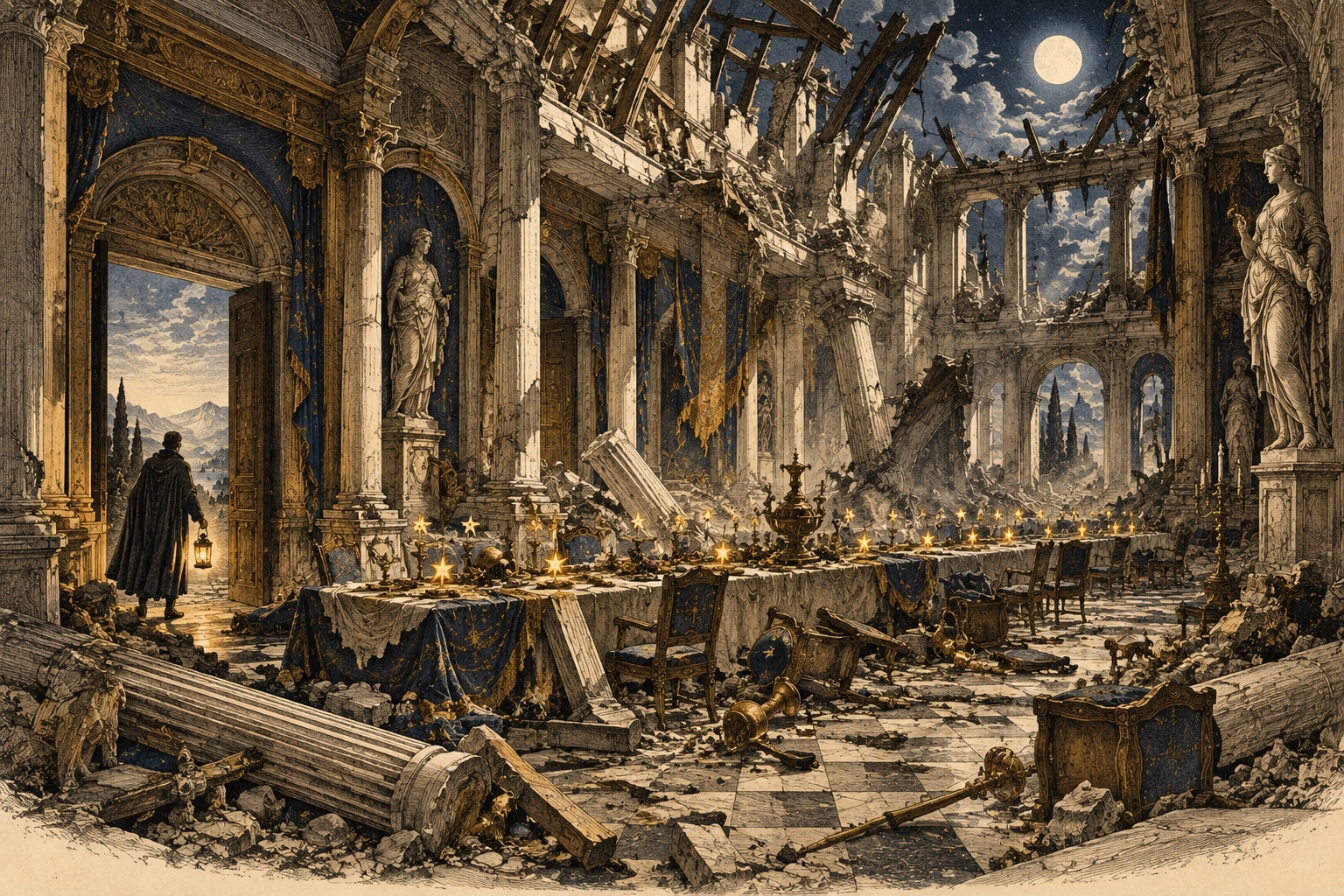
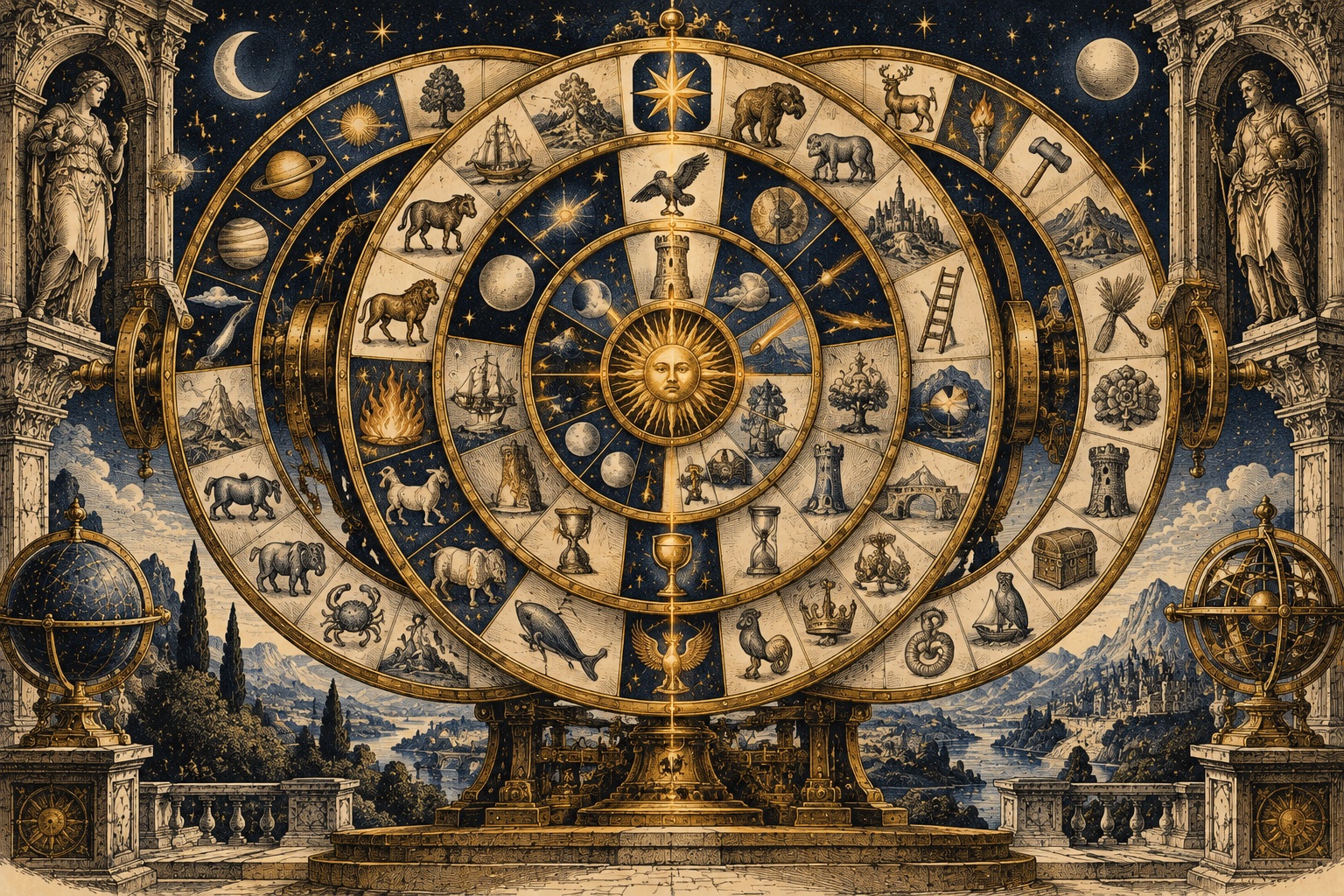
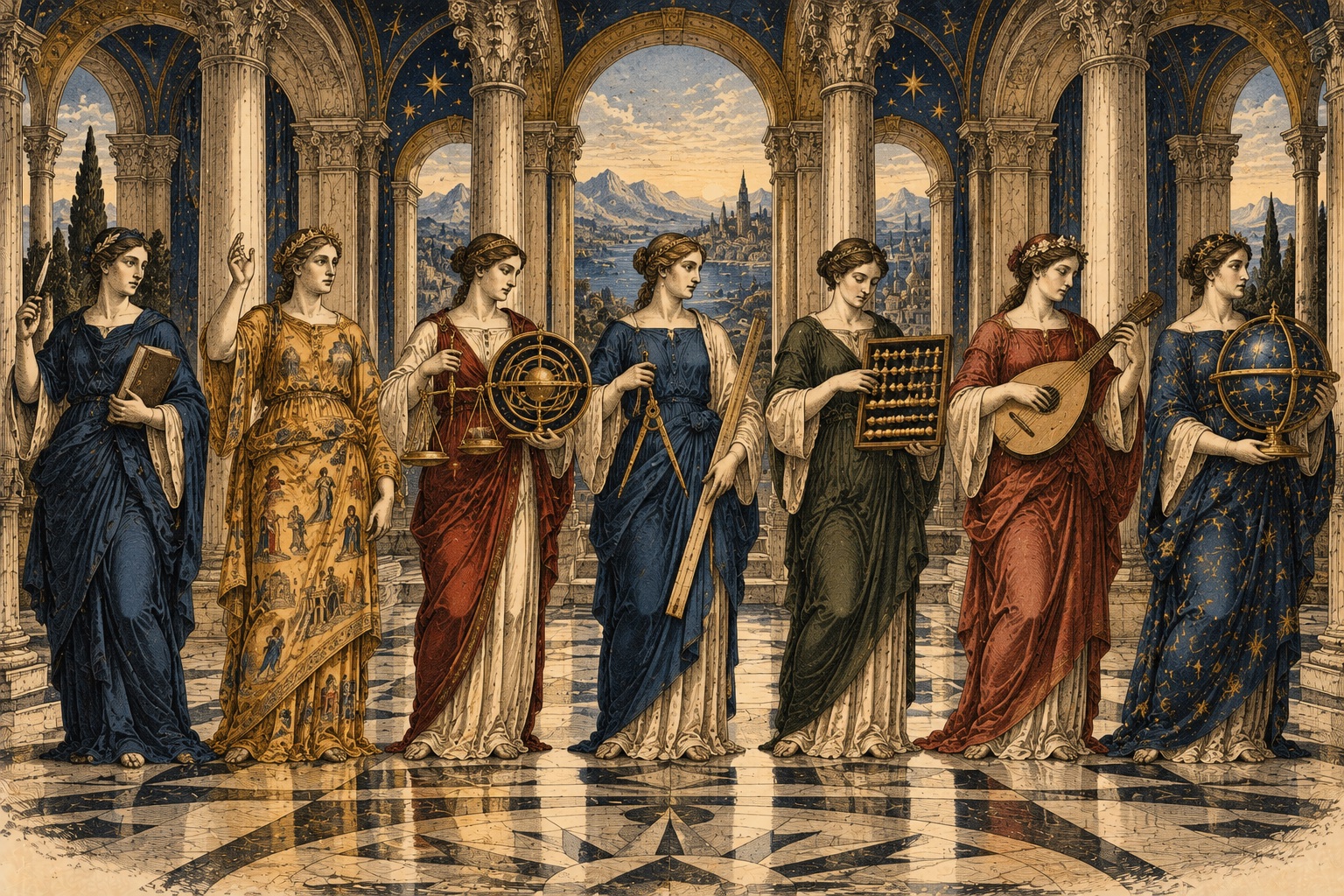
Two and a half thousand years ago, a poet walked out of a banquet hall a moment before the roof fell in. The guests inside could not be recognised. The poet could name every one of them, because he remembered where each person had been sitting. That story is the seed of everything in this course: we remember places far better than lists, so we put what we want to keep in a place.
The first five lessons teach the basics: how memory works, how to make a picture stick, and how to use your body, a building and a story as places for what you want to keep. Then come numbers, people, cards, speeches, words, formulas and ideas, and finally the habits that keep it all alive. Take one lesson at a time. Each takes about an hour. Your ticks and notes are saved on this device only.
How every lesson works
A short true story, or a scene, that shows the idea at work, with a question after each part.
The technique in clear steps, with a worked example and a diagram.
You build the pictures yourself. Models appear only after you have tried.
Flash cards, a quick quiz and a timed memory challenge.
Questions from earlier lessons, what you can now do, and one thought to keep.
Foundations
How memory works, and the five basic tools: pictures, the body, a building and a story.
 1How Memory WorksA man who never took notes, and the three stages of memory.
 2Pictures That StickWhy the strange is remembered, and twelve ways to make a picture stick.
 3The Body as a Memory BoardTen places on your body that hold ten things in order.
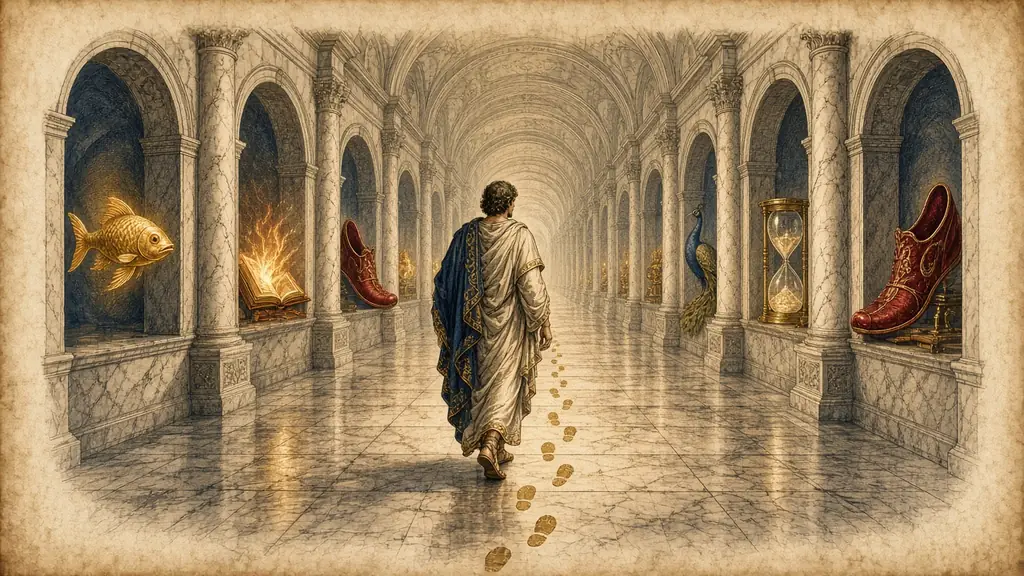 4The Memory PalaceThe banquet, the falling roof and the method of places.
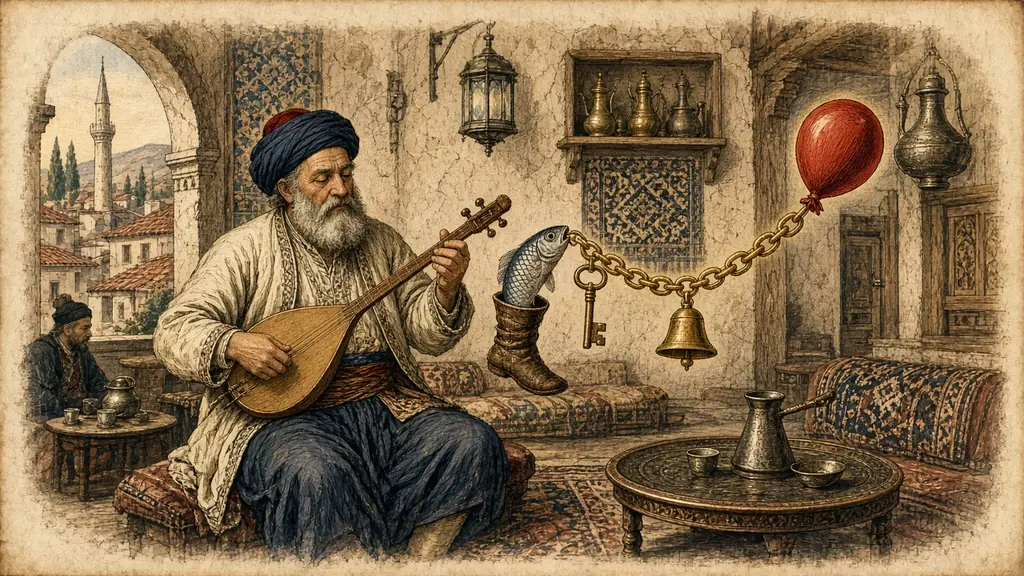 5Links and StoriesChain any list into a story you can retell.
Numbers
Numbers are hard because they are not pictures. Five ways to turn them into pictures, from simple to professional.
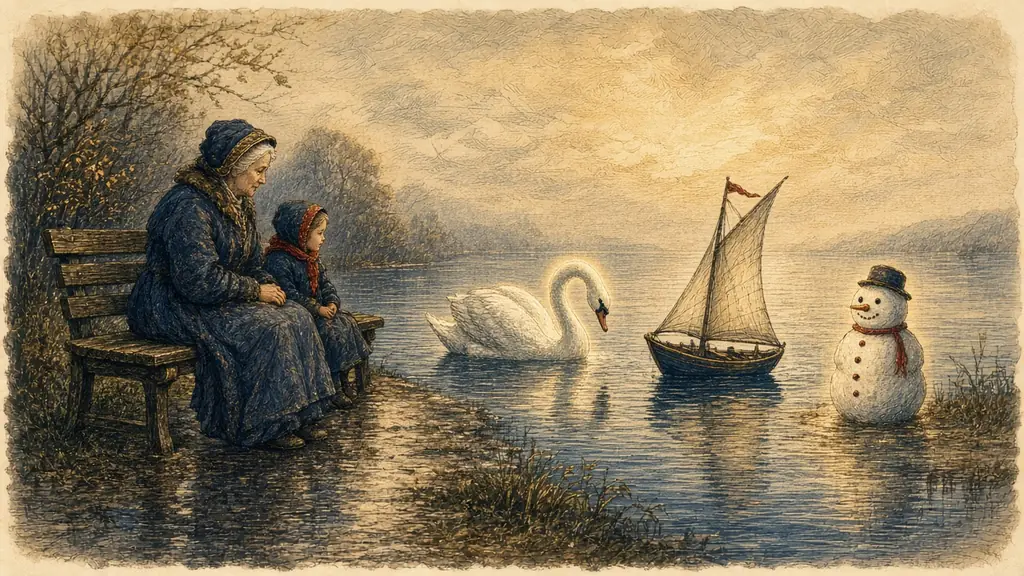 6Numbers Become PicturesShapes and rhymes that give every digit a picture.
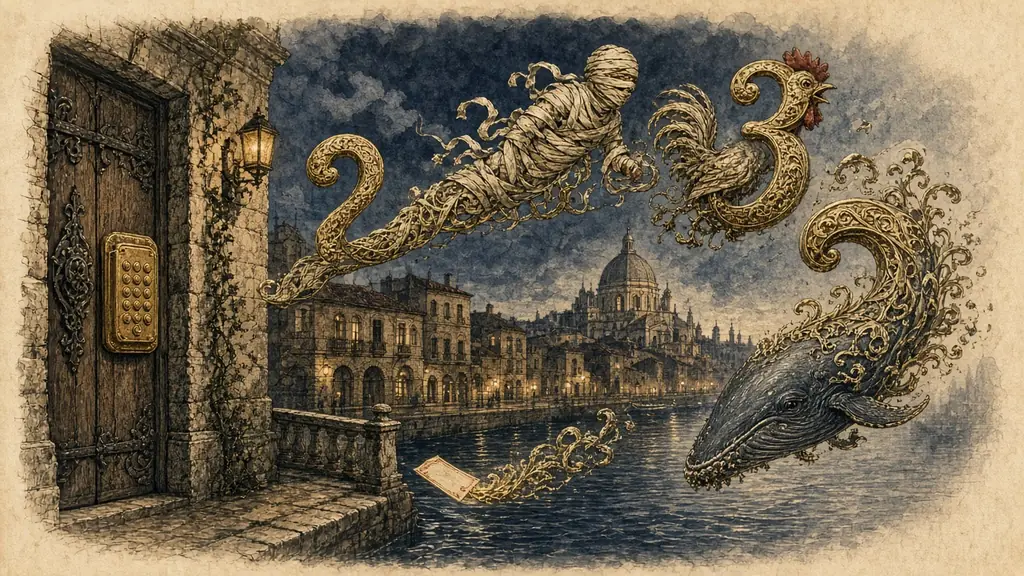 7The Major SystemTen sounds that turn any number into words.
 8People With NumbersAn eight-times champion's way of turning digits into people.
 9Person, Action, ObjectPerson, action, object: six digits in one scene.
 10Choosing Your SystemFive number systems side by side, and how to choose.
Memory in Daily Life
People, cards, talks and the maps that organise a whole subject.
 11Names and FacesA five-step method for names and faces.
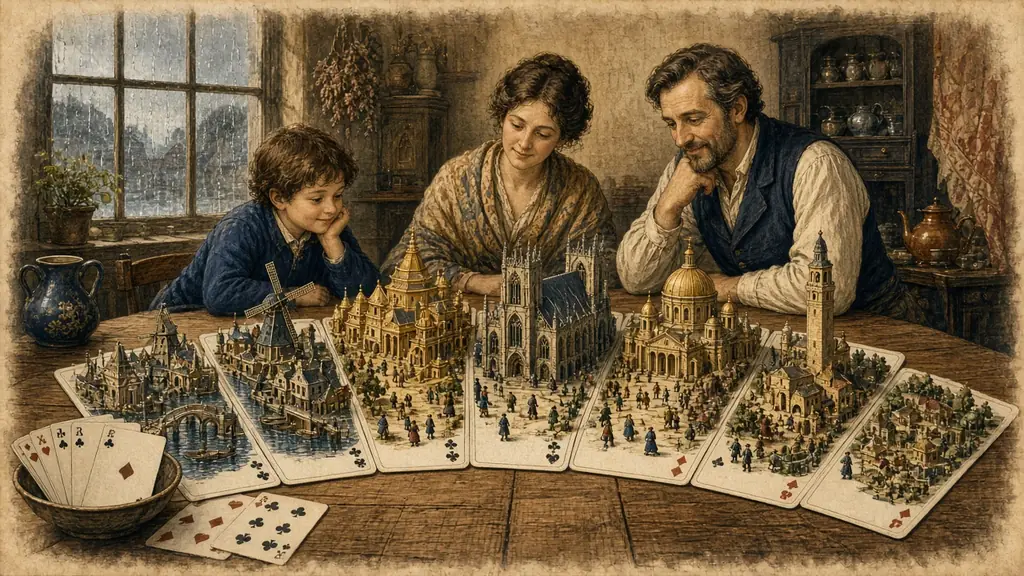 12A Pack of CardsFifty-two cards, fifty-two pictures.
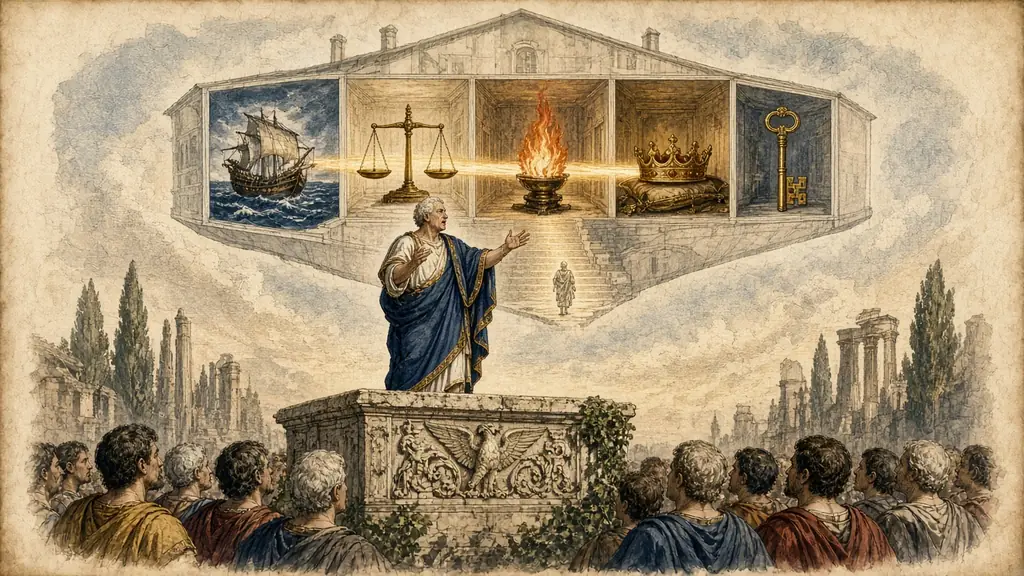 13Speaking Without NotesGive a talk with a short walk instead of a script.
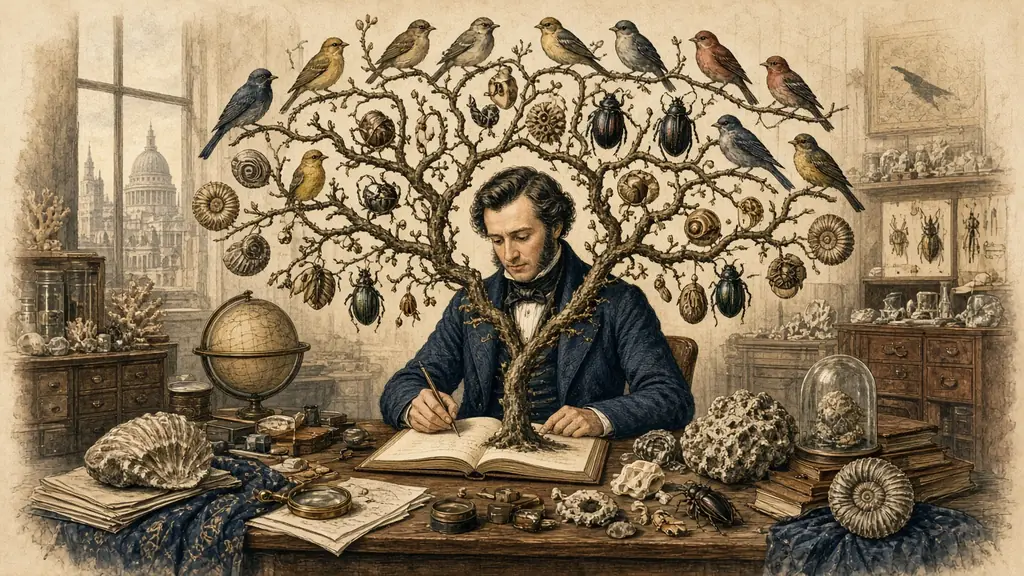 14Drawing Your ThinkingSee a whole subject on one page, then walk through it.
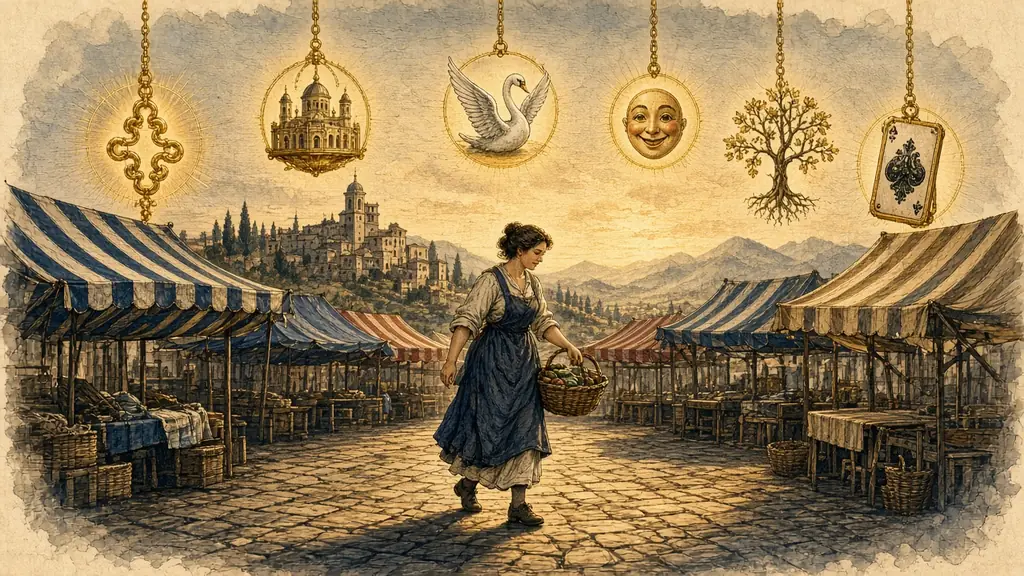 15Market DayOne busy day, every tool so far, and five habits.
Language and Study
Words, grammar, lists and formulas: memory for study.
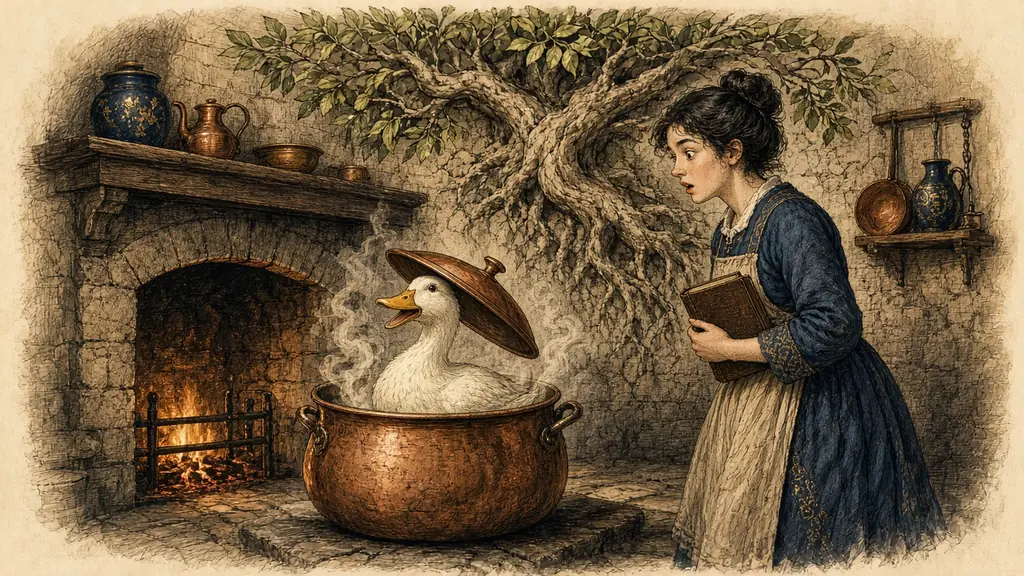 16Words in a New LanguageThe keyword method and ten Latin roots.
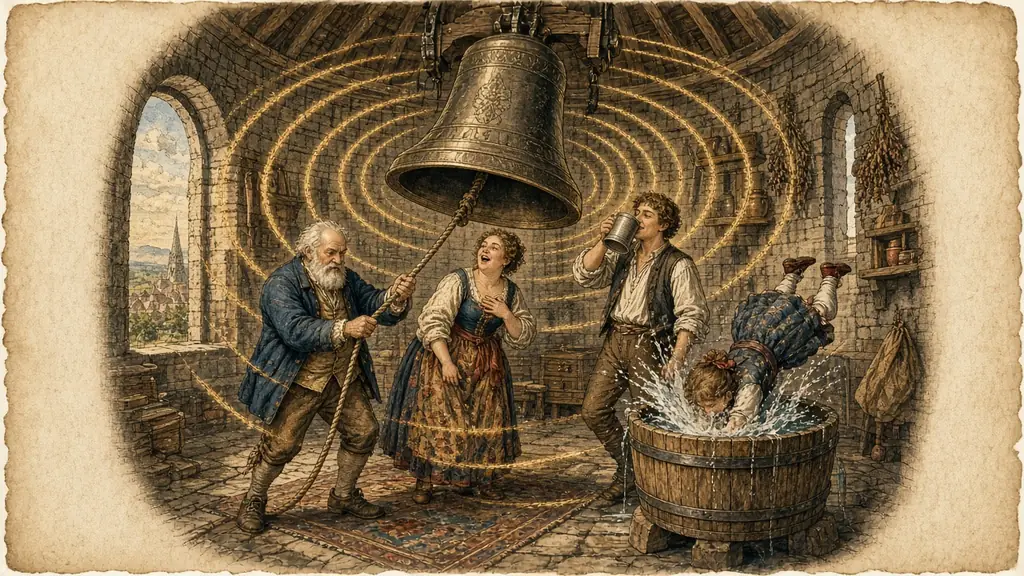 17Verbs That MisbehaveIrregular verbs in families, with a story each.
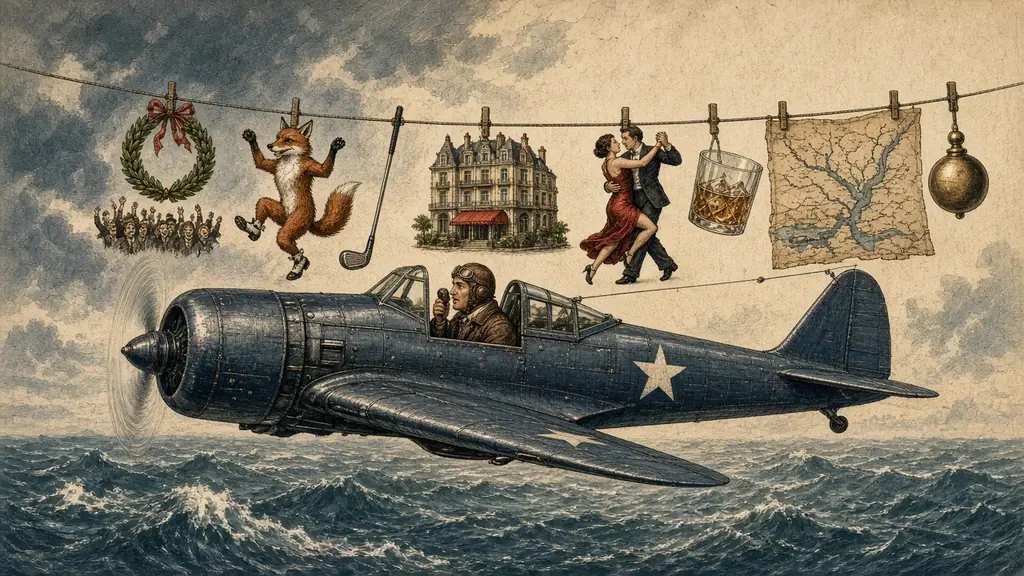 18Twenty-Six PegsTwenty-six code words as twenty-six pegs.
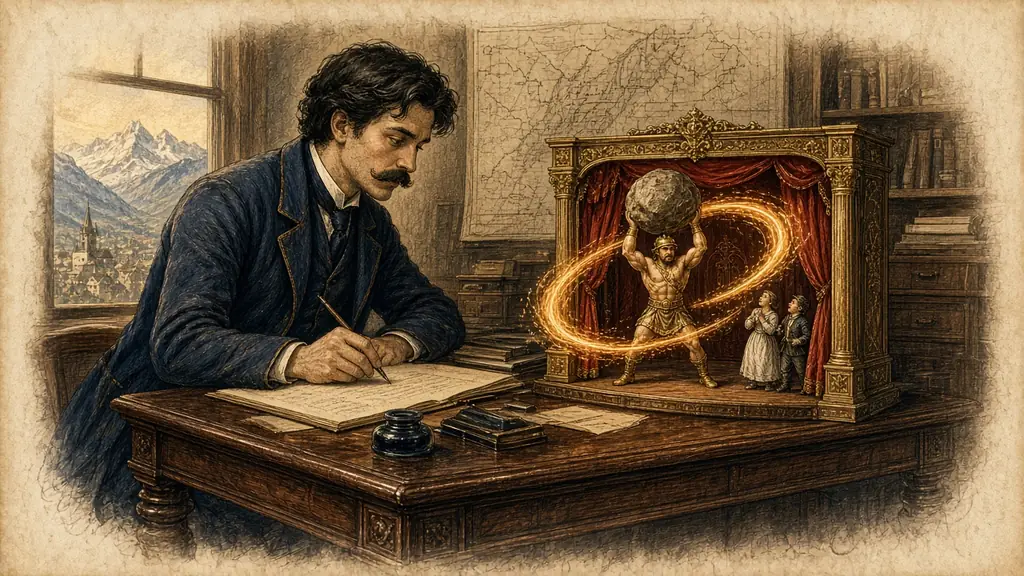 19Formulas as CharactersFormulas as characters in a short scene.
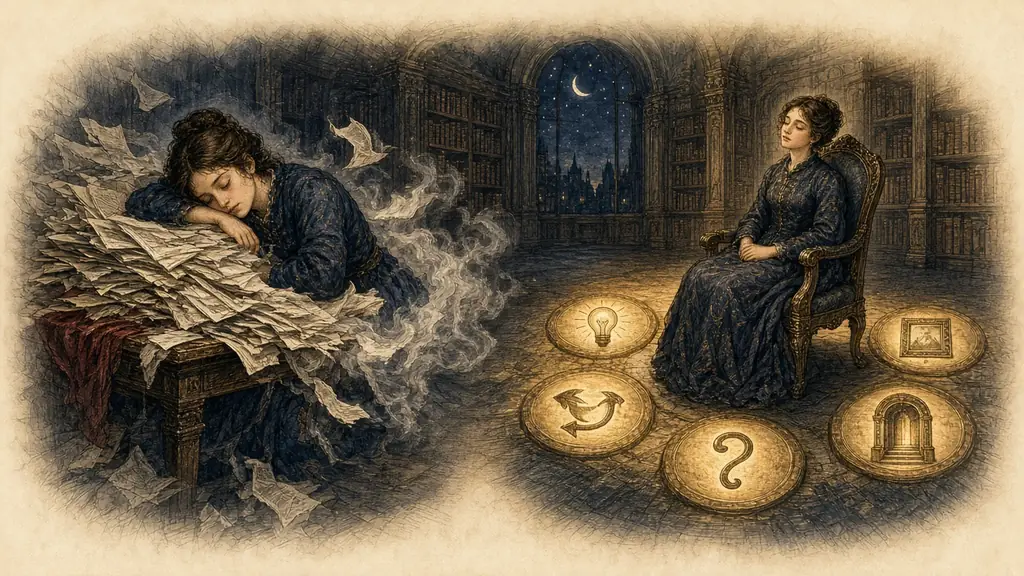 20The Night Before the ExamWhy re-reading fails, and a study cycle that lasts.
Advanced Techniques
Speed, dates, three-digit pictures, networks of palaces and abstract ideas.
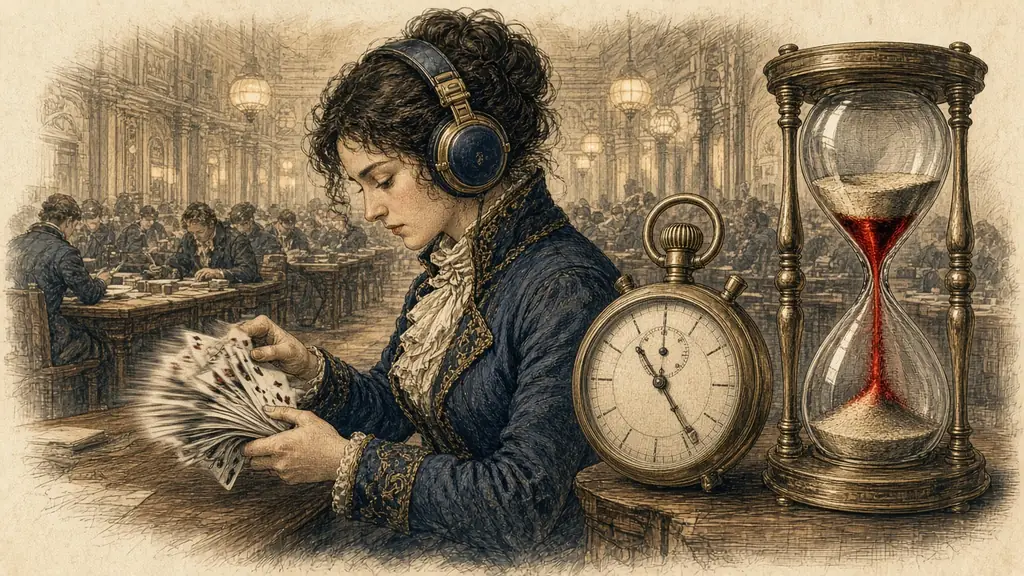 21Against the ClockFind the slowest step and train in short rounds.
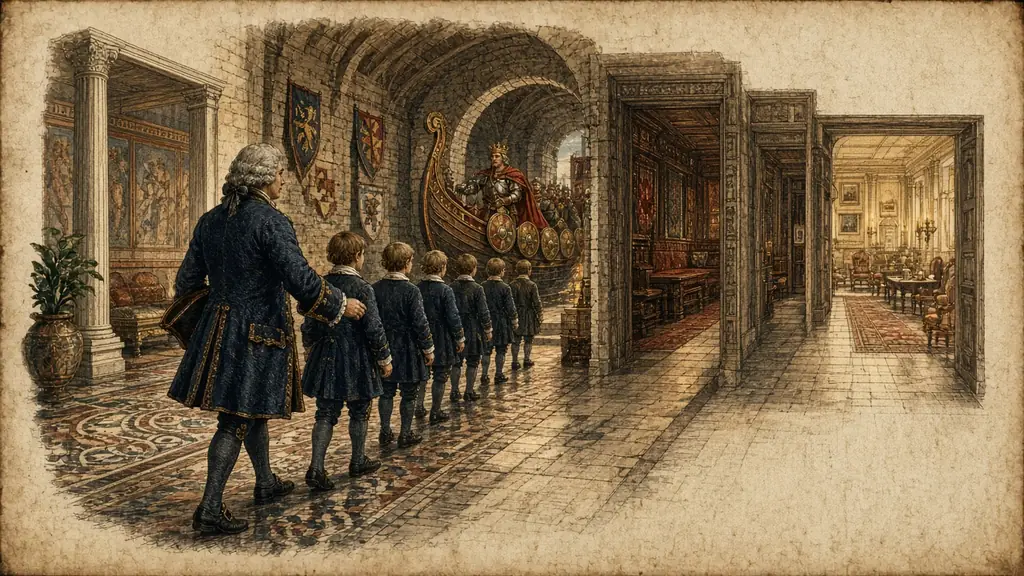 22A Palace of CenturiesA timeline with a place for every century.
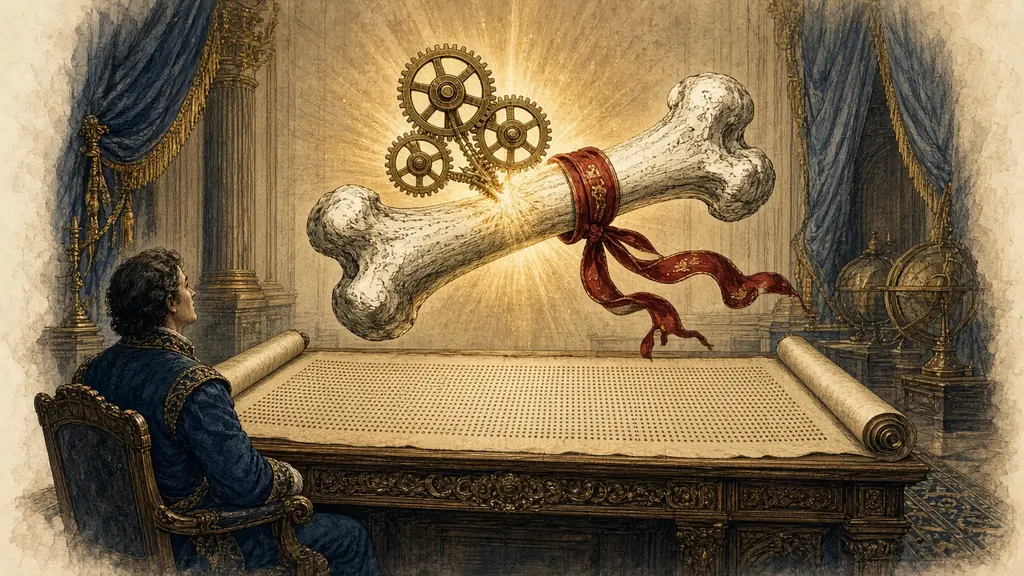 23Three Digits, One PictureThree digits in one syllable and one picture.
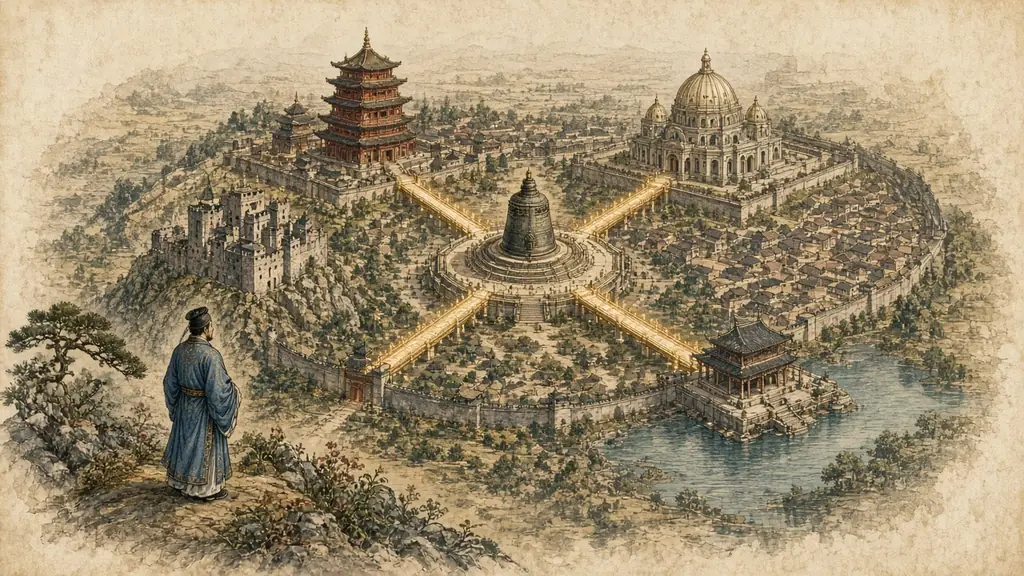 24A Town of PalacesLink many palaces into a network.
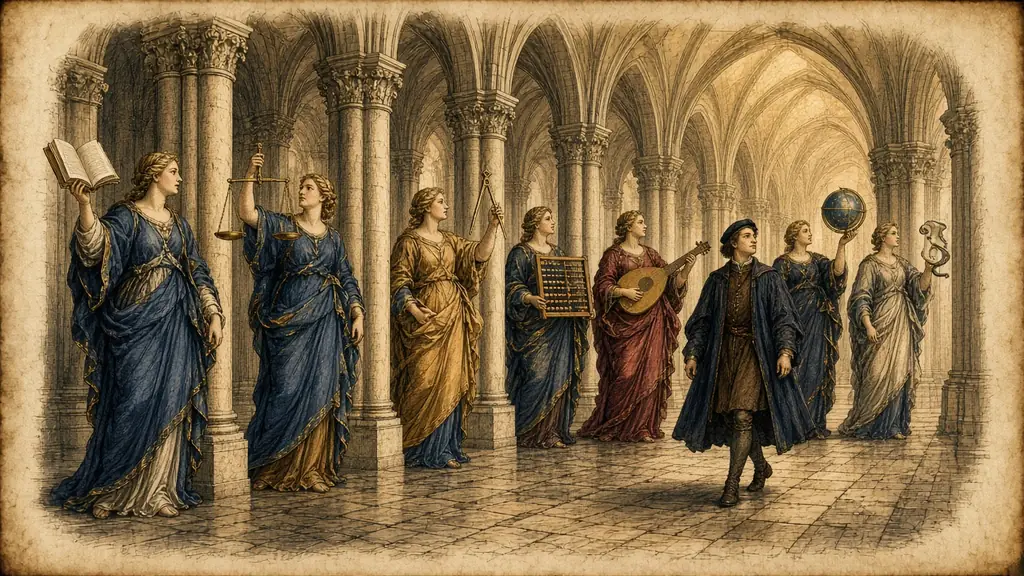 25Ideas You Cannot SeeGive abstract ideas a symbol, a person or a scene.
Mastery
Speeches, books, the world championships, a practice plan, and the final walk.
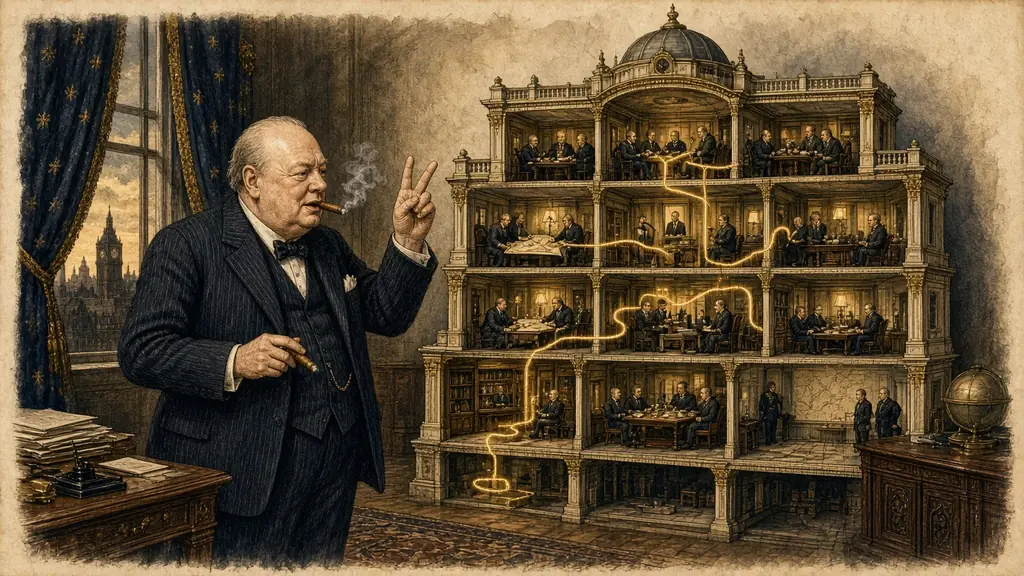 26The Long SpeechNested palaces for a talk of twenty minutes.
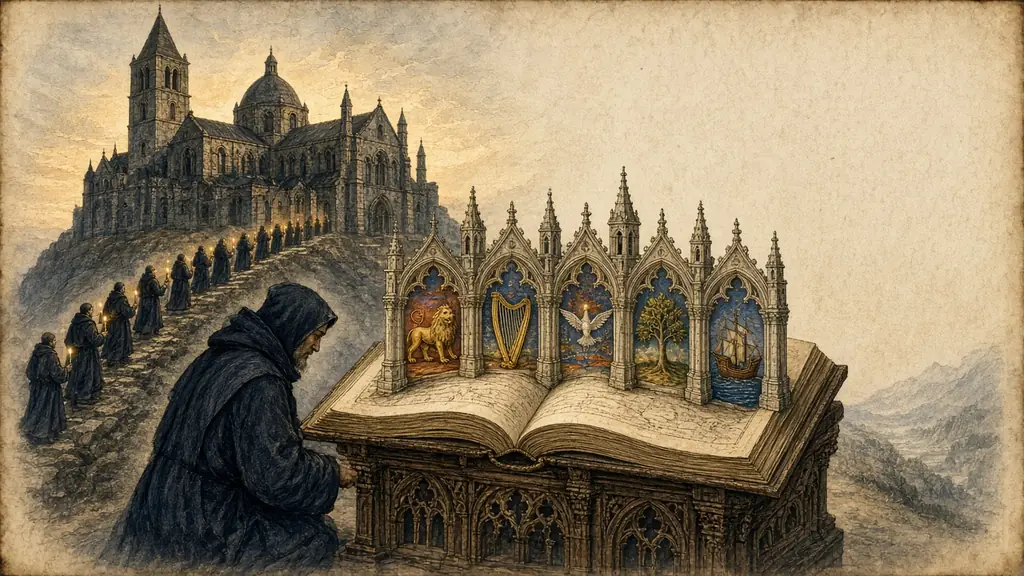 27Keeping a BookSurvey, map and place a book or an article.
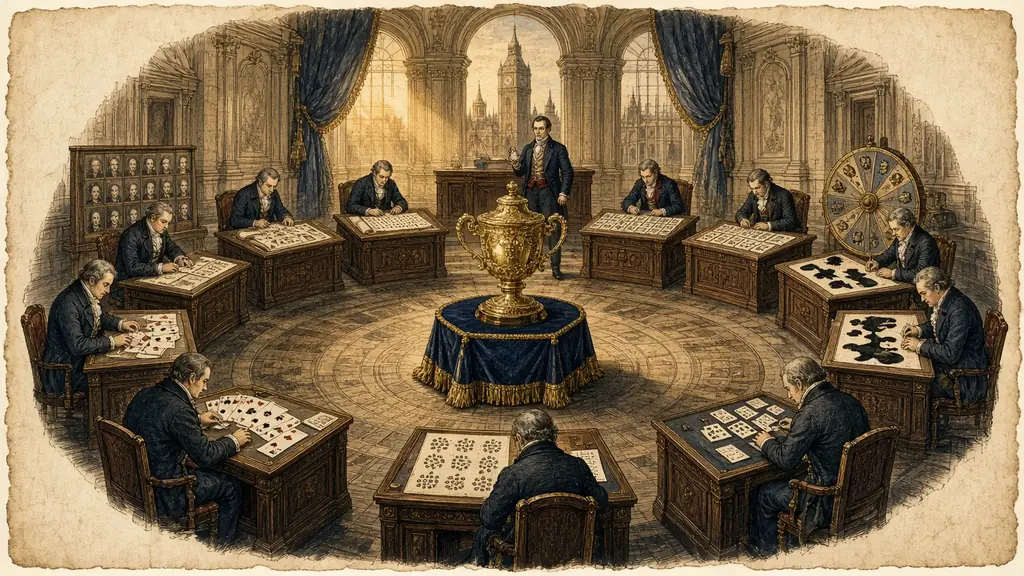 28A Day at the ChampionshipsThe ten events of memory championships.
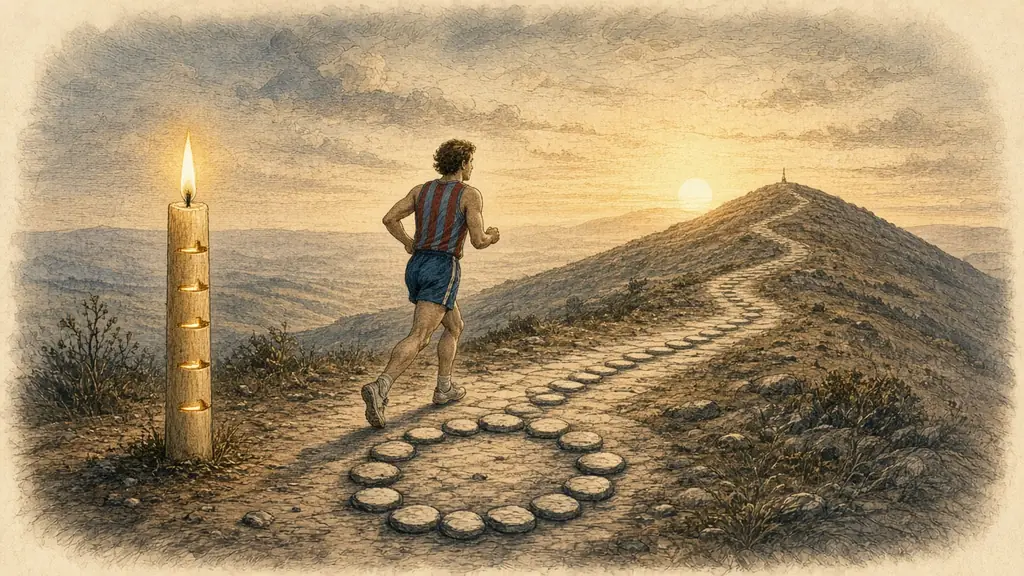 29From Seven Digits to Seventy-NineA twenty-minute daily routine and a review calendar.
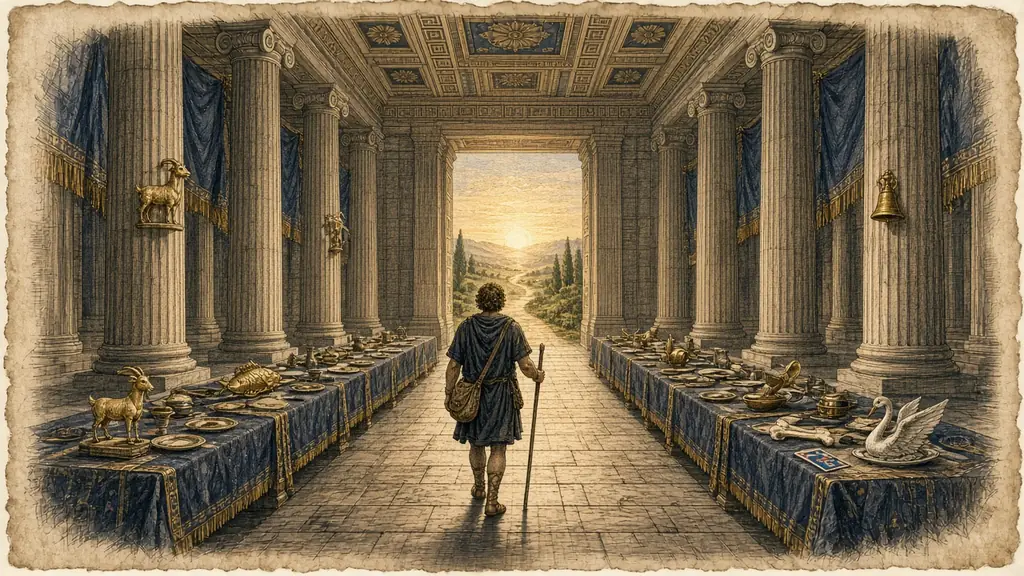 30The Final WalkWalk the whole course and plan the next thirty days.
Beyond the course
Once you have your palaces, fill them. Ten further lessons use the Dewey Decimal classes as a map of human knowledge: